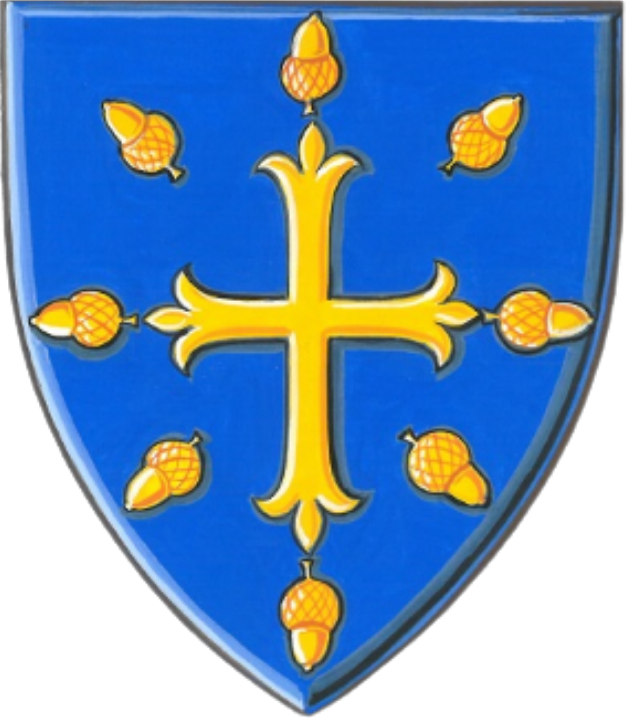

The Royal Humane Society was originally the 'Society for the Recovery of Persons Apparently Drowned'. It was founded in 1774 by two doctors, William Hawes and Thomas Cogan who were concerned at the number of people wrongly believed drowned. Both men wanted to promote the new, but controversial, medical technique of resuscitation and offered money to anyone rescuing someone from the brink of death.
Their five aims were, to publish information on how to save people from drowning, to pay 2 guineas to anyone attempting a rescue in the Westminster area of London, to pay 4 guineas to anyone successfully bringing someone back to life, to pay 1 guinea to anyone allowing a body to be treated in his house and to provide volunteer medical assistants with some basic life-saving equipment.Today the aim of the Society is to recognise the bravery of men, women and children who have saved, or tried to save, someone else's life.
The most famous person to win an award is probably Grace Darling. She was just 22 years old when she helped her father, William, rescue nine people shipwrecked off the north-east coast of England in 1838. She became an instant national heroine. The following year, both Grace and William were awarded specially minted Royal Humane Society gold medals. The most unexpected person was Tsar Alexander I who received the award for resuscitating a Polish peasant. People who received awards would be mentioned in newspapers, and the archives of the society are held by The London Archives.