

On Christmas Day in 1830, three branches of the Cluett family gathered in the tiny Dorset parish of Lydlinch for the joint baptism of three newborn cousins.
Group baptisms were not unusual in the 19th century. Parents often waited to have several siblings baptised together, particularly when travel, weather, or expense made frequent church visits impractical. But baptisms involving cousins are much harder to spot in parish registers - especially when surnames differ through marriage or when the clerk leaves little detail behind.
In this case, however, the parish clerk gave the following note in the margin:
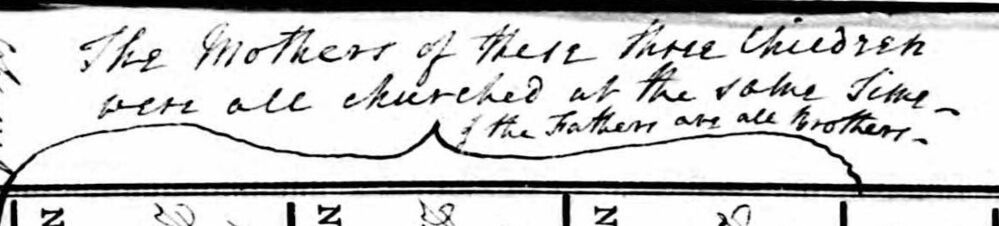
"The mothers of these three children were all churched at the same time & the fathers are all Brothers."
This marginal note offers a glimpse into a family gathering almost two centuries ago: three brothers standing together in church with their wives and newborn children on Christmas Day.
The children’s birth dates were not recorded, so we cannot know exactly how long the families waited before arranging the baptisms. However, the choice to baptise these children on Christmas may well have been planned as a festive occasion, marking new life at one of the most important moments in the Christian calendar.
The note also mentions that the mothers were “churched.” Churching was a traditional rite of thanksgiving for women after childbirth, celebrating their recovery and safe return to public worship. Historically, it often took place around forty days after birth, echoing biblical tradition, although by the 19th century Anglican practice was far less rigid and the ceremony could occur whenever convenient.
It is small details like this that make parish registers so fascinating.